
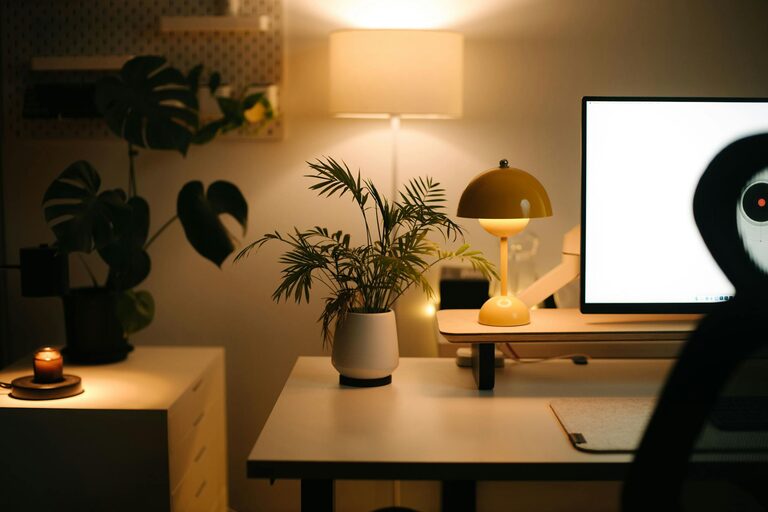
Creating a home workspace that feels both cozy and productive can make a significant difference in your work-from-home experience. Whether you’re a remote employee, freelancer, or simply need a dedicated area for personal projects, designing a functional and inviting workspace helps boost focus and creativity. In this post, we’ll share practical tips to help you set up a home office that balances comfort with efficiency.
Choose the Right Location
The first step in creating a home workspace is selecting a spot that supports work and minimizes distractions. Consider:
– Natural Light: Choose a space near a window if possible. Natural light improves mood and energy levels.
– Quiet Environment: Find a quiet corner away from household noise to maintain concentration.
– Space for Your Needs: Ensure there’s enough room for your desk, chair, and any equipment or supplies you use regularly.
If space is limited, a small nook or a part of a larger room can still work well with the right setup.
Invest in Comfortable Furniture
Comfort plays a crucial role in productivity. Sitting for long hours can be hard on your body if your furniture isn’t supportive.
– Ergonomic Chair: Look for an adjustable chair with lumbar support to protect your back.
– Appropriate Desk Height: Your desk should allow your forearms to rest parallel to the floor when typing.
– Consider Standing Options: A sit-stand desk or a desk converter can let you alternate between sitting and standing throughout the day.
Comfortable furniture not only reduces physical strain but also keeps you engaged longer.
Organize and Declutter
A cluttered workspace can lead to a cluttered mind. Maintaining an organized area boosts focus and makes it easier to find what you need.
Tips for organizing your home office:
– Use drawer organizers for small supplies like pens, paperclips, and sticky notes.
– Incorporate shelves or storage bins to keep documents and books tidy.
– Manage cables with clips or ties to reduce mess.
– Only keep essential items on your desk surface to minimize distractions.
Regularly tidying your space before and after work helps prevent buildup of unnecessary clutter.
Personalize with Cozy Elements
While productivity is key, your workspace should also feel inviting. Adding subtle personal touches creates a space you enjoy spending time in.
– Add Soft Textiles: A cozy throw blanket, cushioned seat, or a small rug can warm up your area.
– Incorporate Plants: Indoor plants improve air quality and add a refreshing natural element.
– Use Warm Lighting: Table lamps or string lights can create a soothing atmosphere compared to harsh overhead lighting.
– Display Inspirational Items: Photos, quotes, or artwork that motivate you can foster a positive mindset.
These details help balance functionality with comfort, making your workspace a pleasant place to be.
Optimize for Productivity
Design your workspace to support effective work habits and minimize distractions.
– Separate Work and Personal Items: Keep non-work materials out of sight during work hours.
– Set Up Technology Efficiently: Position your monitor at eye level, and ensure strong, reliable internet connectivity.
– Use Noise Management Tools: Noise-cancelling headphones or white noise apps can help block out background sounds.
– Create a Routine: Train yourself to ‘enter’ your workspace during work hours to build focus and discipline.
Consider tools like calendars, task lists, or apps that help manage time and stay on track.
Maintain Good Posture and Take Breaks
Your workspace setup should encourage healthy habits to avoid fatigue.
– Sit with your feet flat on the floor and your back straight.
– Keep your screen about an arm’s length away, with the top of the screen at eye level.
– Schedule short breaks every hour to stretch, walk, or rest your eyes.
These practices support well-being and sustained productivity.
Conclusion
Designing a cozy and productive home workspace requires thoughtful choices about location, furniture, organization, and ambiance. By blending comfort with practical solutions, you create an environment where work feels enjoyable and efficient. Start with one or two changes and gradually tailor your space to fit your unique needs. Your ideal home office is one that helps you stay focused, healthy, and motivated day after day.