
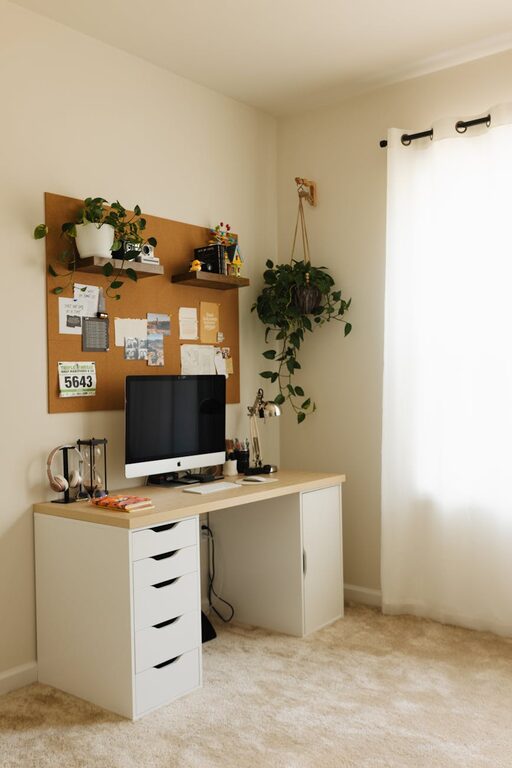
Creating a relaxing home office environment is key to maintaining productivity and well-being while working from home. When your workspace feels calm and inviting, you can focus better, reduce stress, and enjoy your workday more. Whether you have a dedicated room or a small corner of your living space, there are effective ways to transform it into a comfortable and productive office. This guide covers practical tips on designing a relaxing home office that supports your work and helps you stay motivated.
Choose the Right Location
Finding a quiet and comfortable spot for your home office is the first step. Look for a place with minimal distractions, good natural light, and enough space for your work essentials. If a separate room isn’t available, consider a corner in a less busy area of your home. Make sure the spot allows you some privacy and can be closed off when you need to focus.
Optimize Your Desk Setup
Your desk and chair should support good posture to avoid discomfort during long work hours. Invest in an ergonomic chair that offers back support and adjustability. Position your desk so that your computer screen is at eye level to reduce neck strain. Keep essential items within easy reach to minimize interruptions.
Organize for Clarity
A cluttered desk can be distracting and stressful. Keep your workspace tidy by using organizers, shelves, and filing systems. Only keep items you use daily on your desk. This will help you stay focused and create a visually calming environment.
Use Soothing Colors and Decorations
Colors have a strong impact on mood. Soft, neutral tones like light blues, greens, or beige can create a peaceful atmosphere. Avoid overly bright or dark colors that might strain your eyes or feel overwhelming.
Add some personal touches such as plants, artwork, or inspirational quotes, but keep decorations minimal to avoid clutter. Plants in particular improve air quality and bring a touch of nature indoors, which can reduce stress and boost creativity.
Control Lighting and Air Quality
Natural light is ideal for any workspace. Position your desk near a window if possible, and use sheer curtains to diffuse harsh sunlight. When natural light isn’t enough, choose artificial lighting that mimics daylight. Avoid harsh overhead lights; instead, use adjustable desk lamps that provide focused, gentle illumination.
Good air quality is essential for concentration. Open windows regularly to let fresh air in, and consider using an air purifier if your home tends to feel stuffy. Maintaining a comfortable temperature also helps you stay alert and comfortable.
Minimize Noise Distractions
Background noise can disrupt your concentration. If quiet isn’t an option, consider noise-canceling headphones or soft background music to mask distractions. White noise machines or apps can also create a consistent, soothing sound environment.
Establish a Routine and Personal Boundaries
A relaxing home office is more than just physical space; it’s about mental habits too. Set specific work hours and stick to them to separate your professional time from personal life. Inform family or housemates of your schedule to reduce interruptions.
Taking regular breaks is vital. Use techniques like the Pomodoro method (working in focused intervals with breaks) to maintain productivity without burnout.
Incorporate Movement and Comfort
Sitting for too long can cause discomfort and fatigue. Consider a sit-stand desk or use a balance cushion to encourage better posture. Stretch or move around during breaks to keep your body active and your mind refreshed.
Keep a water bottle at your desk to stay hydrated, and have healthy snacks nearby to maintain energy levels throughout the day.
Use Technology to Your Advantage
Leverage apps and tools designed to enhance focus and organization. Task managers, calendar apps, and focus timers can help you stay on track. Also, keep your devices charged and cables organized to avoid frustration and clutter.
—
In conclusion, a relaxing home office environment combines thoughtful design, organization, and mindful habits. By choosing the right location, setting up ergonomic furniture, using calming colors, controlling lighting and noise, and establishing routines, you can create a space that promotes productivity and well-being. Small changes can make a big difference in how you feel and work every day.